Table of Contents
Barsana feels different from the moment you arrive.
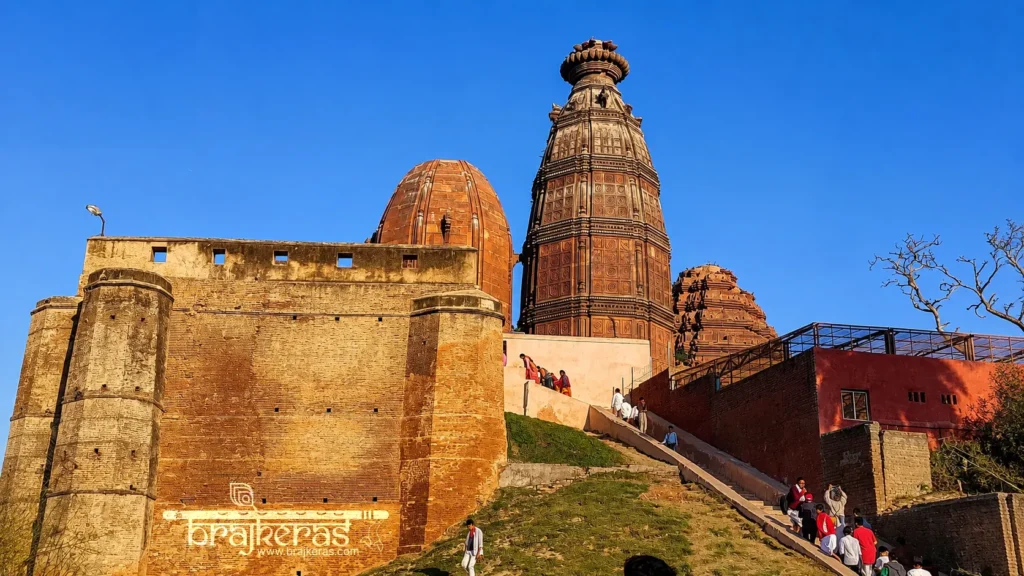
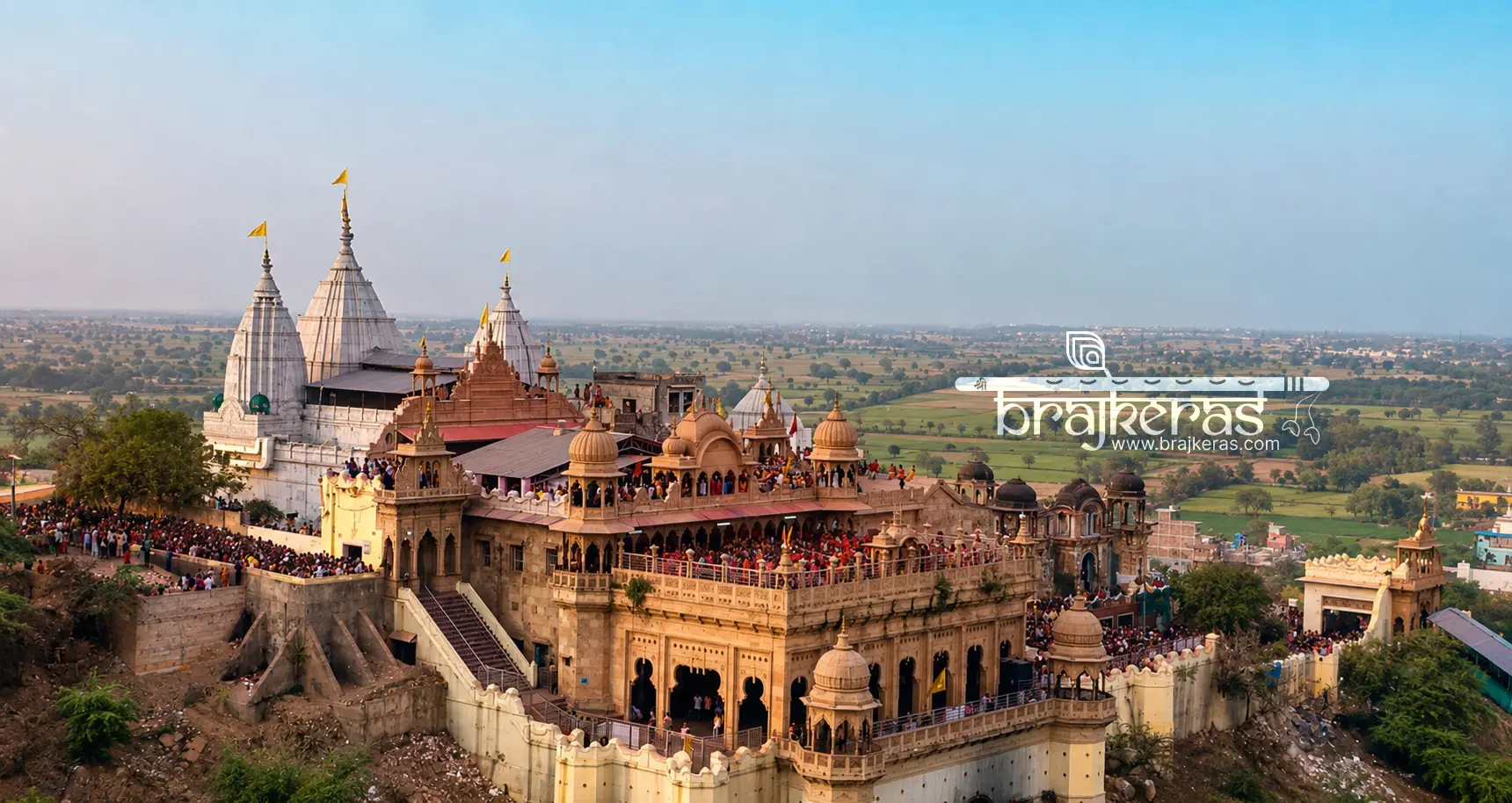
The lanes climb gently towards the hills. Temple bells ring in the distance. Someone says “Radhe Radhe” as you pass. Shopkeepers sell peda, flowers, malas and small images of Radha Rani. Then, above the town, the red sandstone form of Shri Radha Rani Temple comes into view.
This is Barsana, the town traditionally associated with Shri Radha Rani.
Located in the Mathura district of Uttar Pradesh, Barsana is one of the important pilgrimage towns of Braj. The town is closely linked to the childhood and pastimes of Radha and Krishna, and its sacred geography includes temples, hills, kunds, forests, and narrow lanes connected to local traditions.
The Government of Uttar Pradesh’s Mathura district tourism site lists Shri Radha Rani Mandir as Barsana’s main attraction and places the town within the wider Krishna pilgrimage circuit.
Barsana is famous for its temples, but that’s only part of the story.
Its identity comes from the way religion, local culture, music and festivals still meet in everyday life. During Lathmar Holi, the town becomes a huge cultural stage. During Radhashtami, devotees gather to celebrate Radha Rani’s appearance. On quieter days, the hills, kunds and groves offer a very different experience.
So, what should you see in Barsana?
Let’s take it one place at a time.
Barsana at a Glance
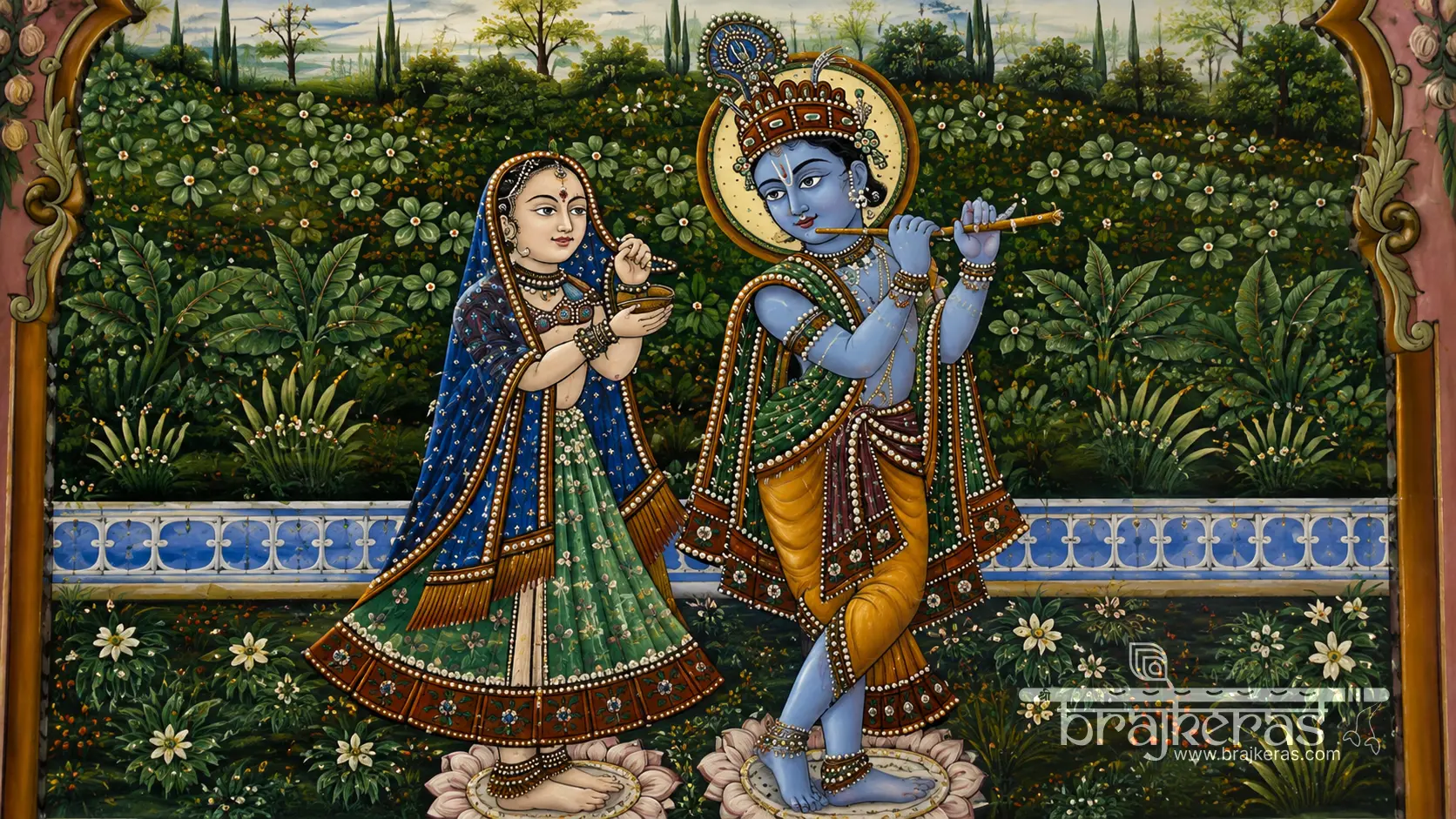
Barsana lies in the Braj region of Uttar Pradesh, in Mathura district. It is traditionally regarded as the home and birthplace of Radha Rani and is closely connected with nearby Nandgaon, which is associated with Krishna’s childhood.
The town sits around four sacred hills traditionally identified with Brahma’s four heads. Local tradition associates these hills with the divine pastimes of Radha and Krishna.
The most prominent is Bhanugarh, where Shri Radha Rani Temple stands.
The other hills are commonly identified as:
- Bhanugarh
- Mangarh
- Daangarh
- Vilasgarh
This geography matters. In Barsana, the landscape itself becomes part of the religious story. A hill isn’t simply a hill. A pond isn’t simply a pond. A narrow lane can carry a story passed down for generations.
That is one reason Barsana feels so different from an ordinary temple town.
Why is Barsana famous?
Barsana is best known for:
- Shri Radha Rani Temple, also called Ladli Ji Temple or Shriji Temple
- Radha Rani’s association with the town
- Lathmar Holi
- Radhashtami celebrations
- Maan Mandir
- Kirti Mandir
- Gahvar Van
- Sankari Khor
- Pila Pokhar
- Prem Sarovar
- Braj folk music and devotional traditions
- Barsana Parikrama
The town also receives large pilgrim crowds. Mathura district reported a major rise in religious tourism in recent years. During Purushottam Maas in 2026, officials said around one crore pilgrims participated in the Barsana parikrama and visited Ladli Ji Temple.
That number gives you an idea of how significant Barsana has become as a pilgrimage destination.
The Most Important Barsana Temples
If you have limited time, start with the temples. Then slow down and explore the sacred places around them.
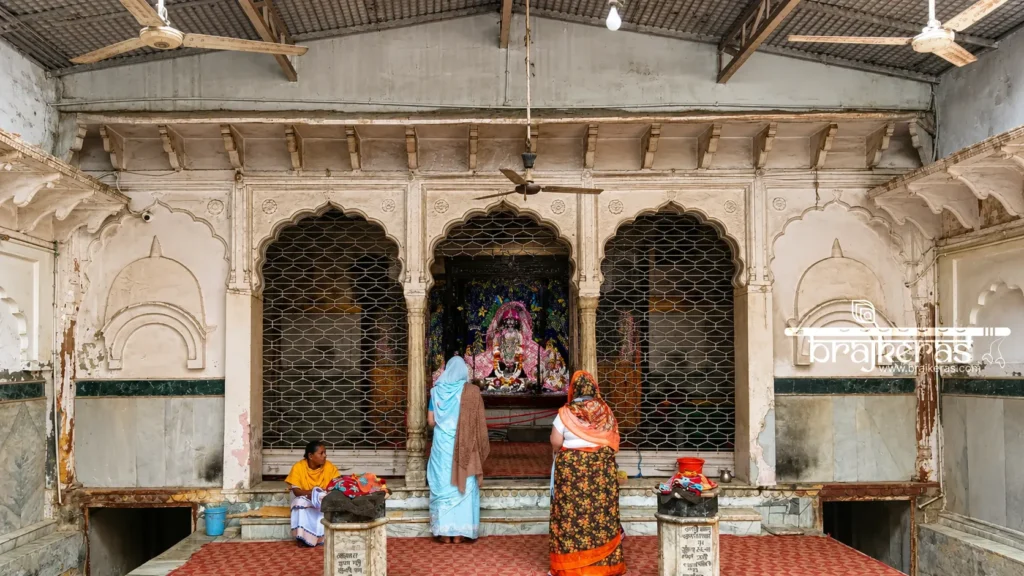
1. Shri Radha Rani Temple, Barsana
This is the temple most visitors come to see.
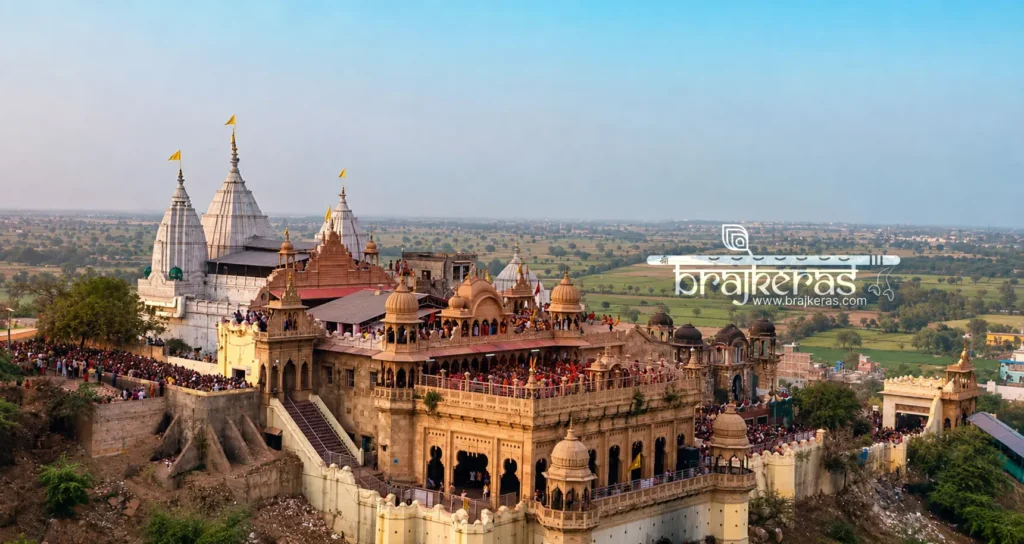
Known as Ladli Ji Temple and Shriji Temple, it stands on Bhanugarh Hill and is dedicated to Radha Rani. The temple’s present historic structure dates to the 17th century, with Raja Bir Singh Deo of Orchha traditionally credited with its construction in 1675. The site itself has much older religious traditions.
The distinction between history and tradition matters here.
Devotees may speak of Barsana’s sacred history going back thousands of years. Historians, meanwhile, can date surviving buildings and architectural phases to later periods. Both stories exist, but they describe different things.
The Government of Uttar Pradesh describes the temple as Barsana’s main attraction and notes that it draws devotees year-round.
The temple’s red sandstone architecture gives it a strong Rajput-era character. From the hill, you can look across the town and see the surrounding Braj countryside.
And then there is the festival connection.
During Lathmar Holi, the temple becomes one of the main focal points of the celebration. Men from Nandgaon come to Barsana, and women from Barsana take part in the traditional stick-play associated with the festival.
If you visit Barsana only once, this is the place you shouldn’t miss.
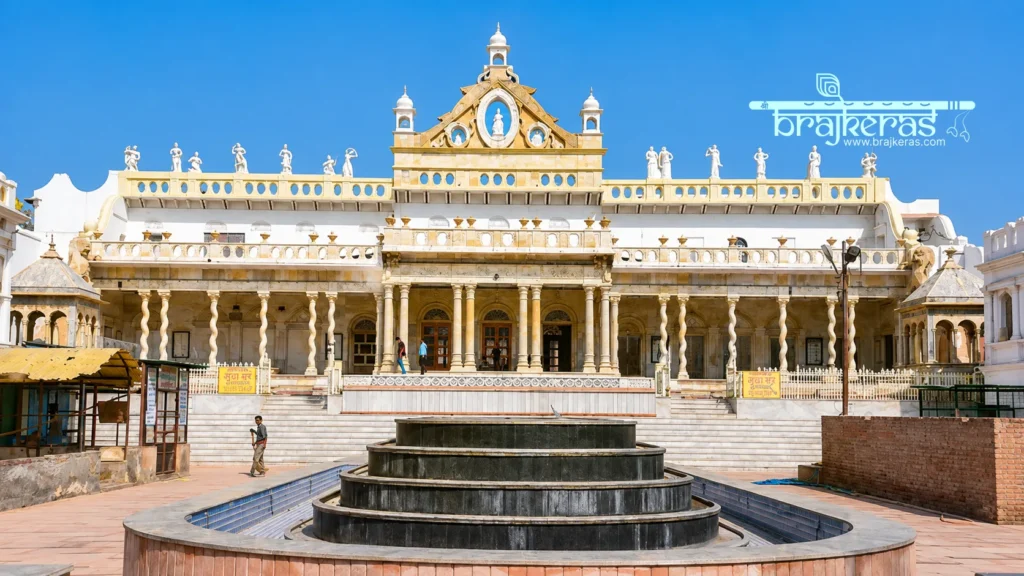
2. Kirti Mandir
Kirti Mandir offers a different experience.
The temple is dedicated to Kirti Maiya, traditionally regarded as the mother of Radha Rani. It is known for the image of child Radha sitting on her mother’s lap.
The foundation stone was laid in 2006, and the temple was inaugurated on 10 February 2019 on Vasant Panchami.
The temple belongs to the more recent religious architecture of Barsana, yet its subject is ancient: the childhood of Radha.
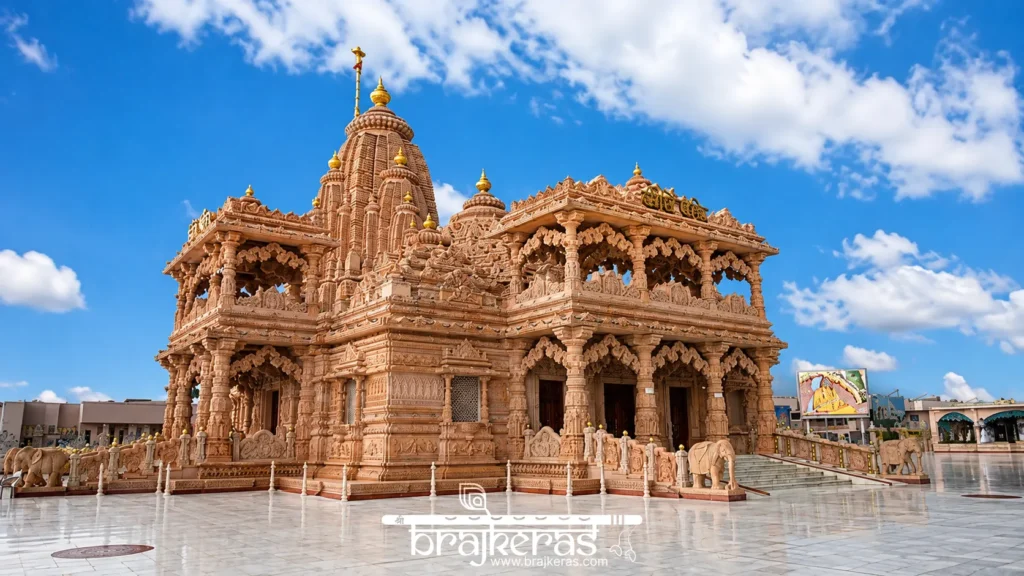
That contrast makes it interesting. You can see how old Braj traditions continue to find expression in new temples.
3. Maan Mandir
Maan Mandir stands on one of Barsana’s hills and is associated with Radha’s maan, a devotional idea describing her loving displeasure with Krishna.
In Braj traditions, maan isn’t simply anger. It forms part of the emotional language used to describe Radha and Krishna’s relationship.
Maan Mandir is connected with this tradition and with the devotional culture that has developed around Barsana’s hills.
The Maan Mandir tradition is particularly significant because the site remains active as a centre of satsang, kirtan and religious study. Maan Mandir Seva Sansthan publishes books and devotional material connected with Barsana and Braj culture.
4. Rangeeli Mahal
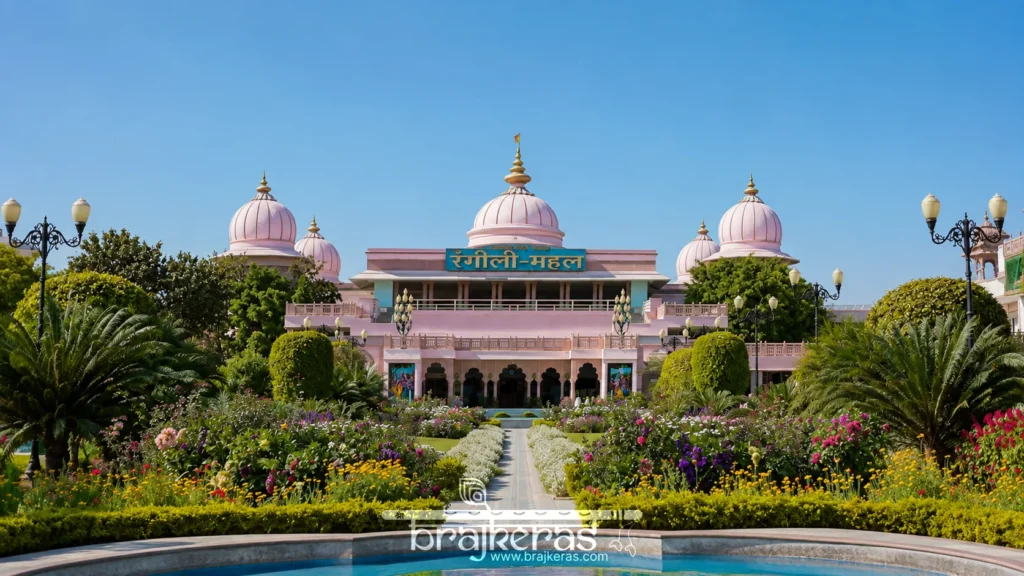
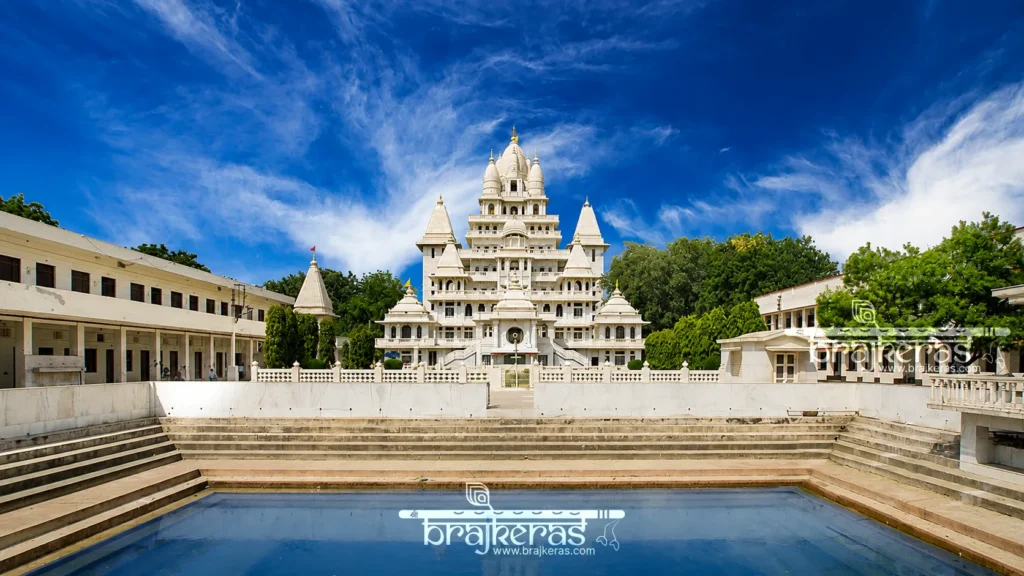
Rangeeli Mahal is associated with Jagadguru Kripalu Parishat and forms another major religious centre in Barsana.
The complex includes spaces for satsang and devotional activities, along with gardens and depictions of Radha Krishna’s pastimes. It is also connected with Kirti Mandir.
If Shri Radha Rani Temple introduces you to old Barsana, Rangeeli Mahal shows you how Barsana’s devotional culture continues in the present day.
Sacred Places Around Barsana
Barsana isn’t a place where you tick off temples and leave.
Some of its most meaningful places are open landscapes, ponds, groves and old pathways. You don’t always need a grand building to feel the religious character of Braj.
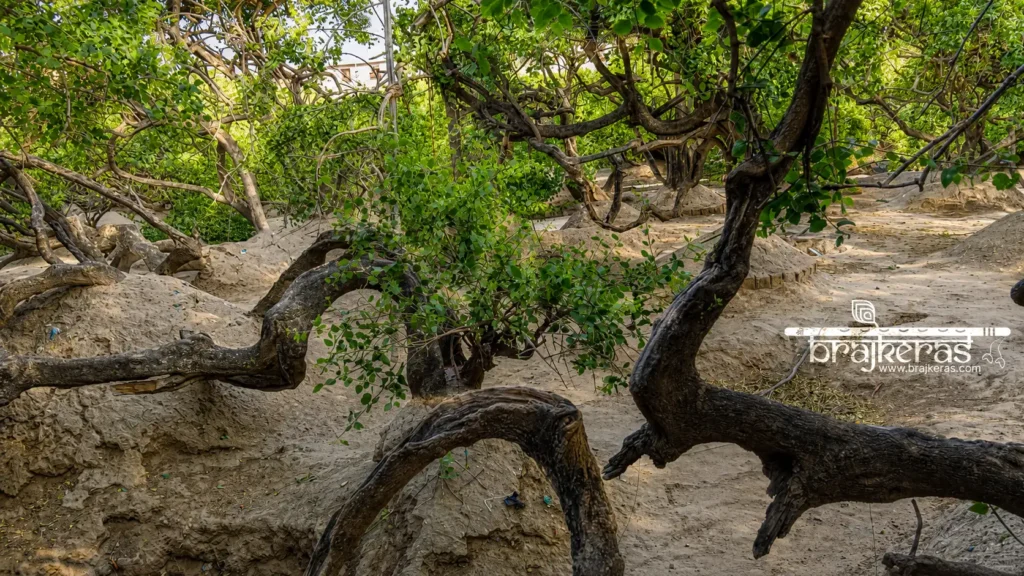
Gahvar Van
Gahvar Van is one of the best-known sacred groves associated with Barsana.
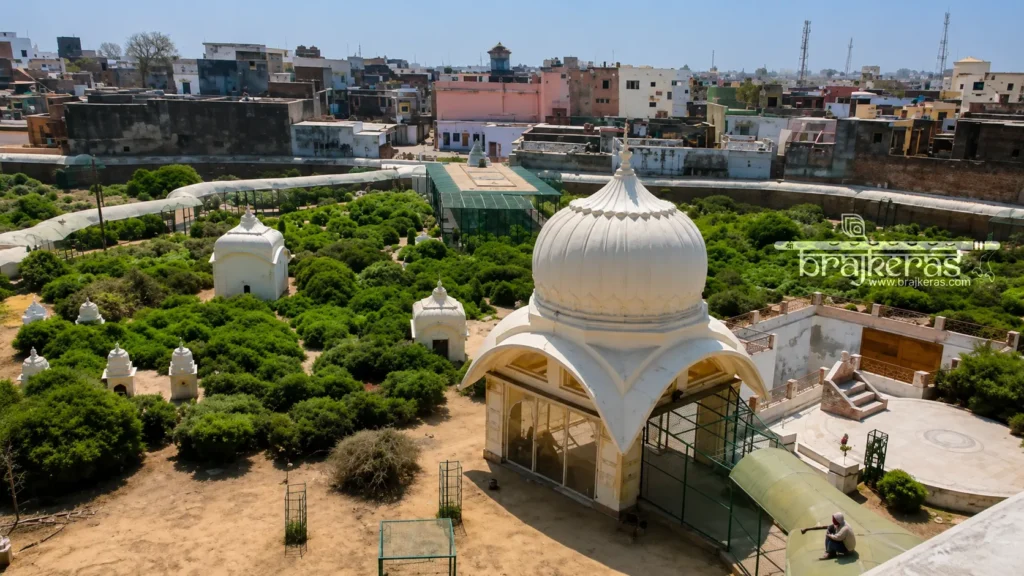
Tradition connects it with Radha Rani and her sakhis. Devotees regard the grove as a place connected with Radha Krishna’s pastimes.
The atmosphere here is quite different from the main temple area. There are fewer architectural distractions, and the focus shifts to the land itself.
Maan Mandir Seva Sansthan even maintains publications dedicated to Gahvar Van, showing how deeply the place remains connected with local devotional culture.
Sankari Khor
Sankari Khor, also called Sankri Gali, is a narrow passage associated with the traditional daan leela of Radha and Krishna.
According to Braj tradition, Krishna and his friends would stop Radha and her sakhis and playfully ask for a tax or daan.
The physical setting makes the story easy to imagine.
The passage is narrow. Two groups cannot move through it comfortably at once. That simple feature has become part of the charm of the place.
A 2026 study of Barsana’s sacred cultural landscape identifies Sankri Khor as the pass between the hills and connects it with the town’s Radha Krishna traditions.
Peeli Pokhar (Priya Kund)
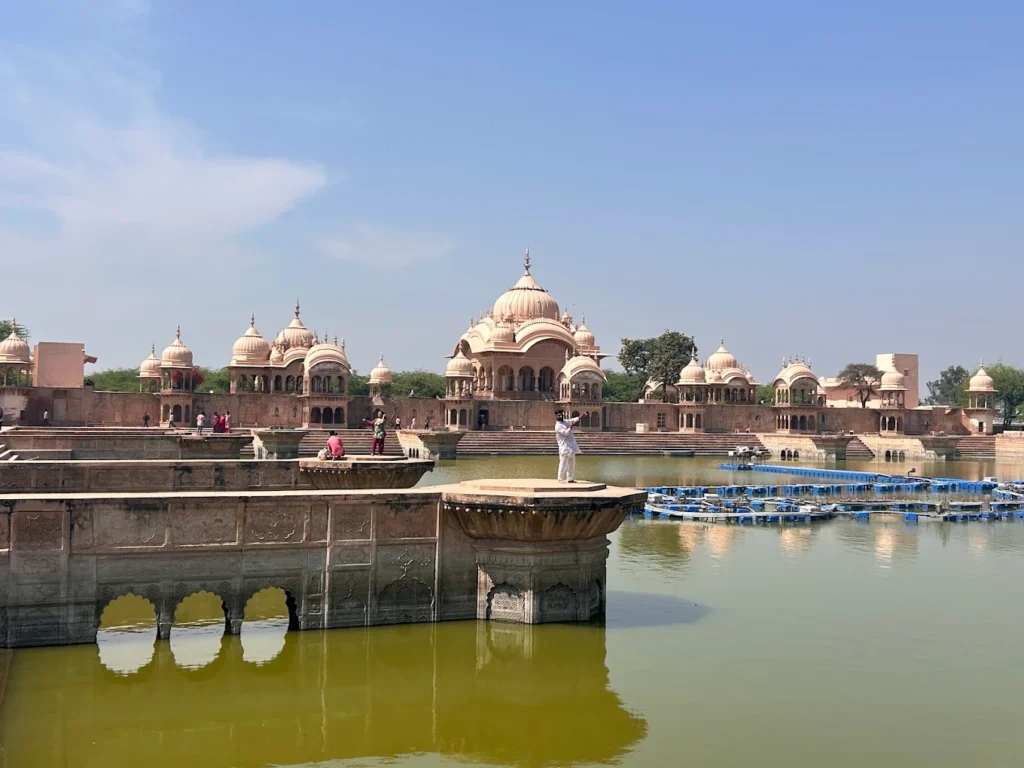
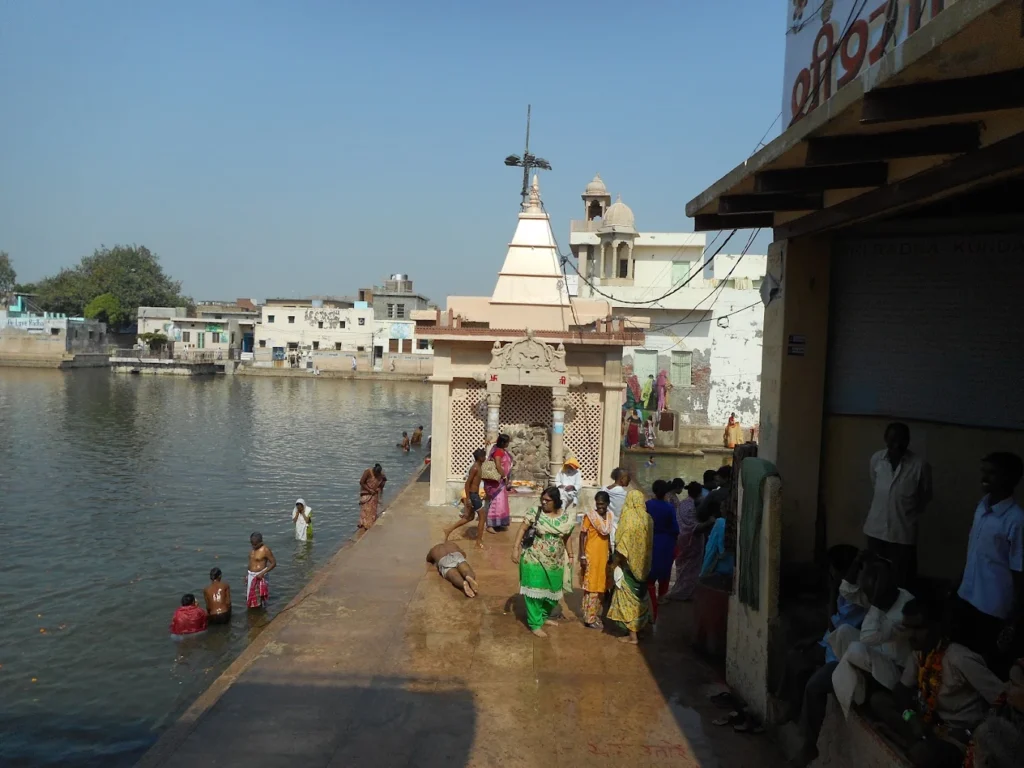
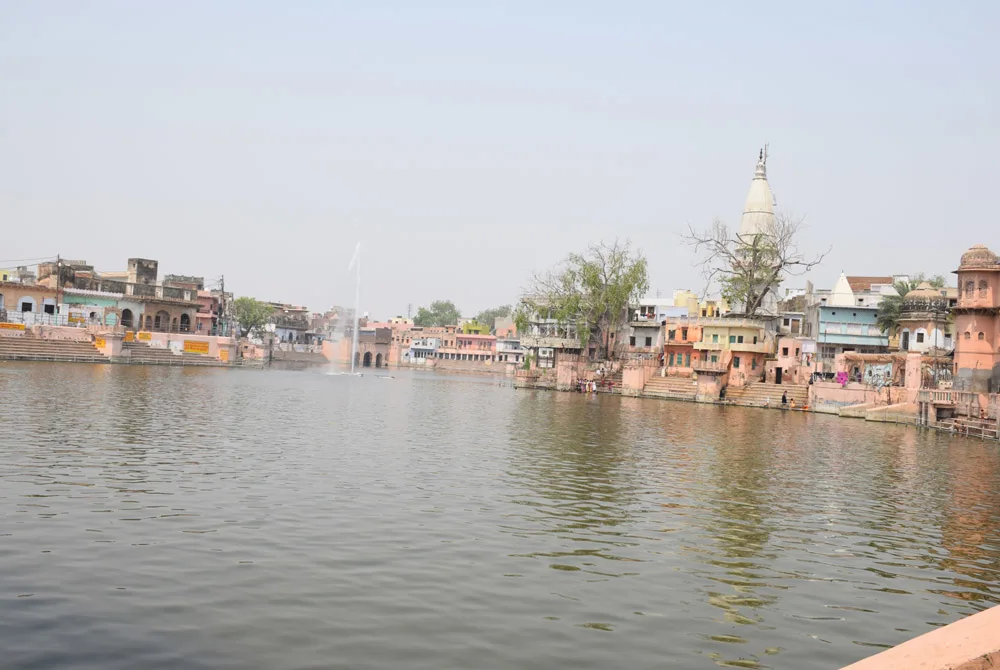
Pila Pokhar is a sacred pond associated with local traditions of Radha and Krishna.
The name refers to the yellowish appearance traditionally associated with its water. Local stories connect the pond with episodes from Radha’s life.
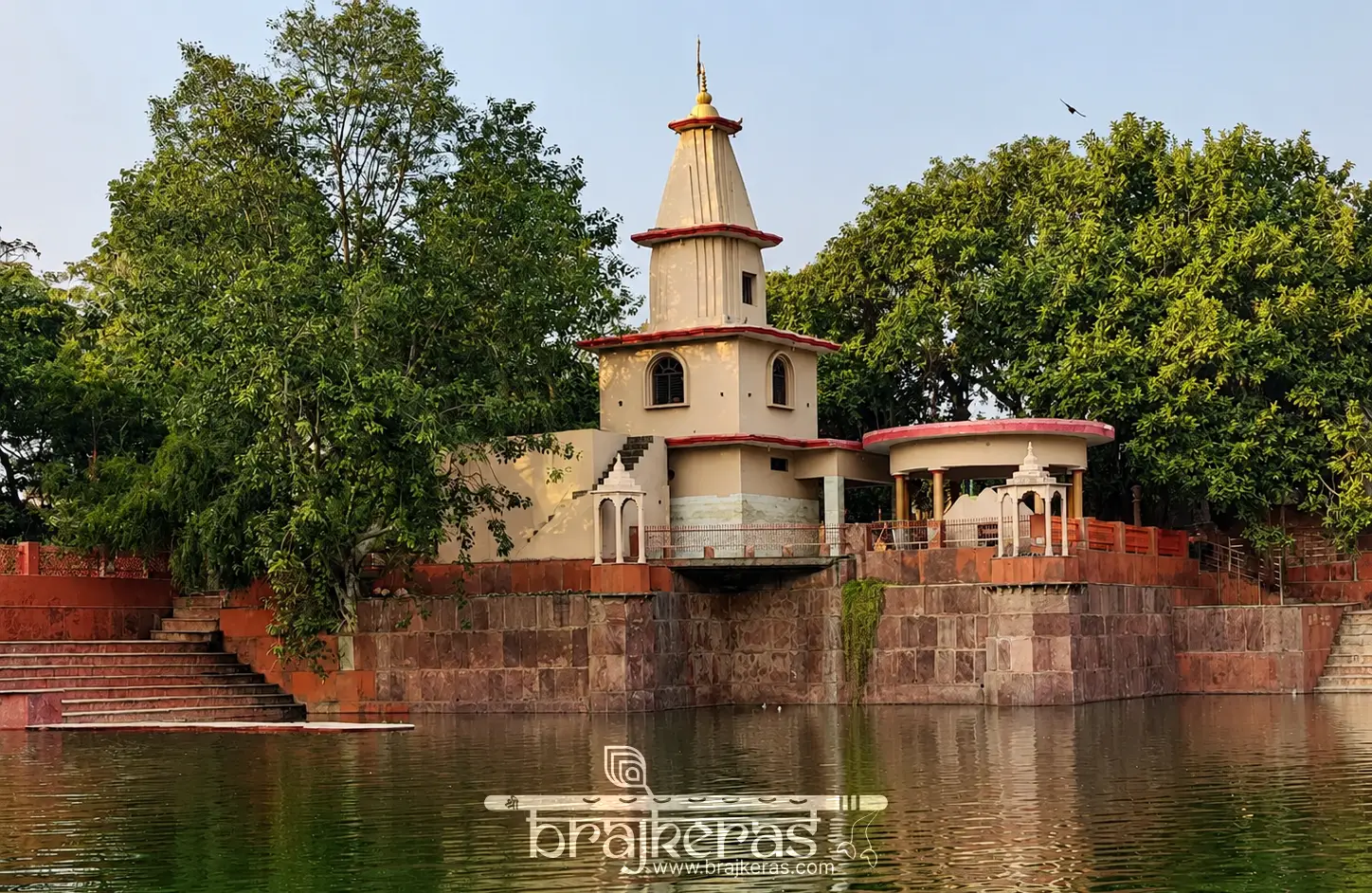
Ponds and kunds have a special place in Braj pilgrimage. They aren’t simply water bodies. Many are linked with stories, rituals, and memories that have been carried through generations.
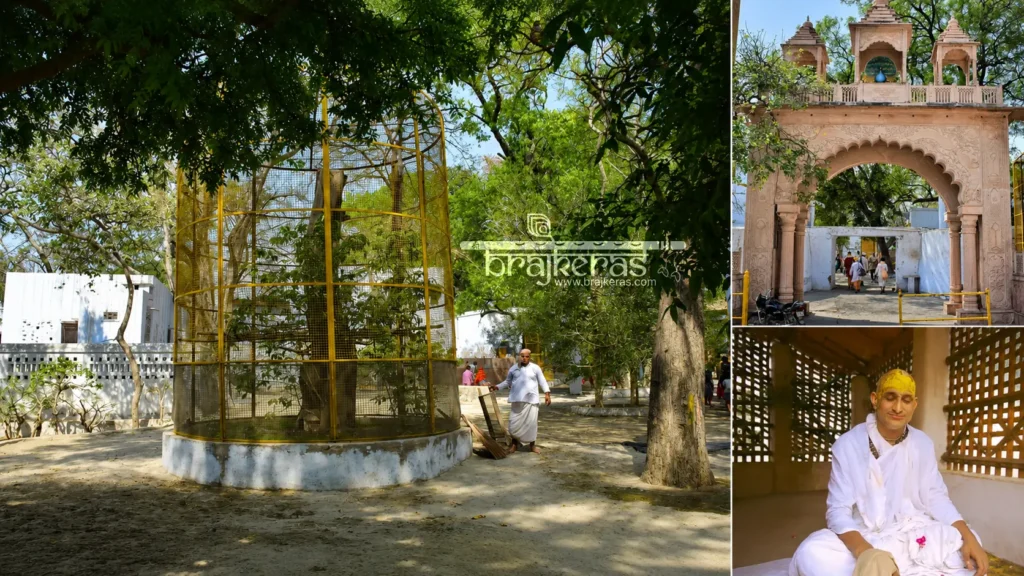
Priya Kunj Ashram (Shri Vinod Baba)
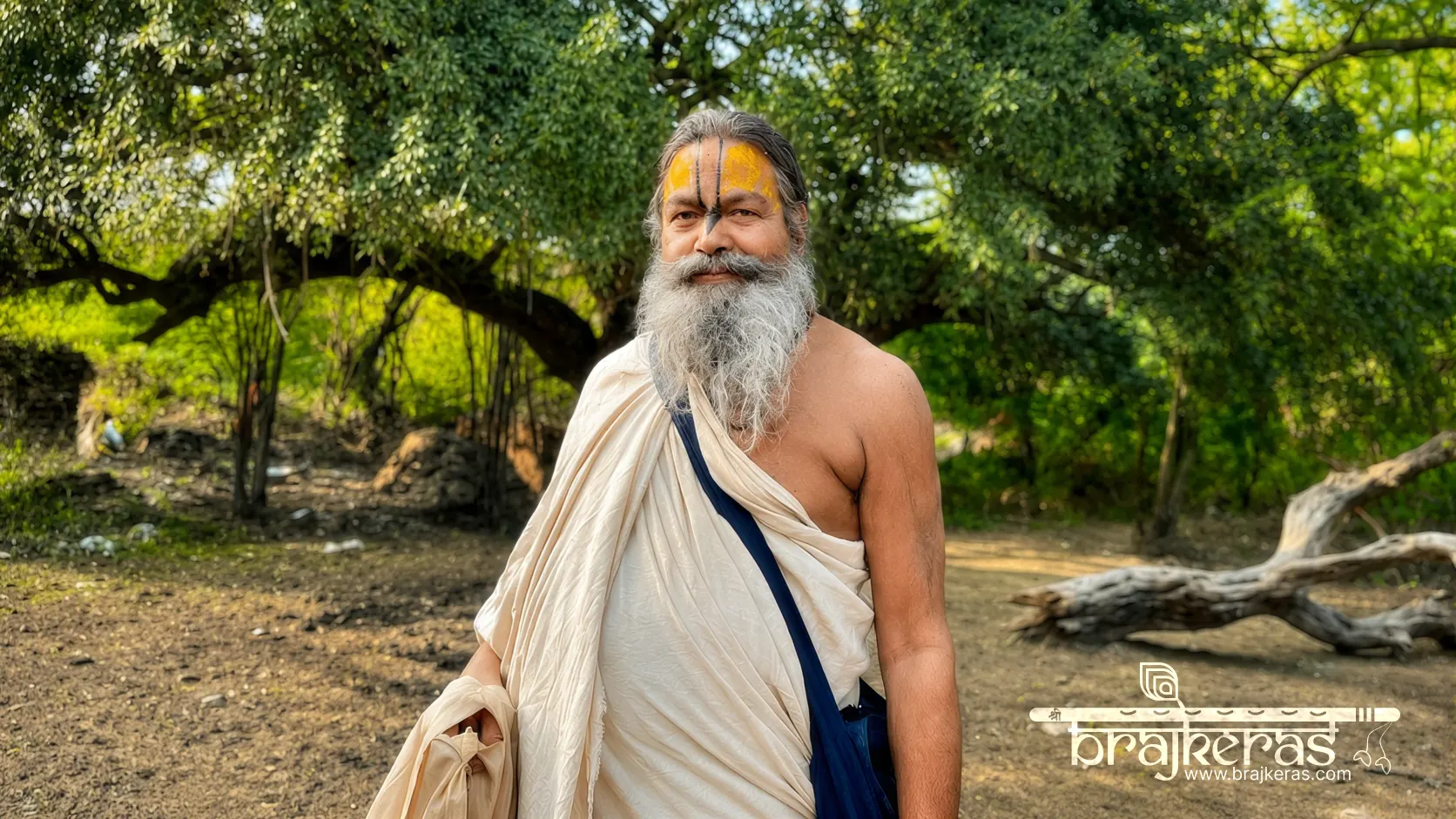
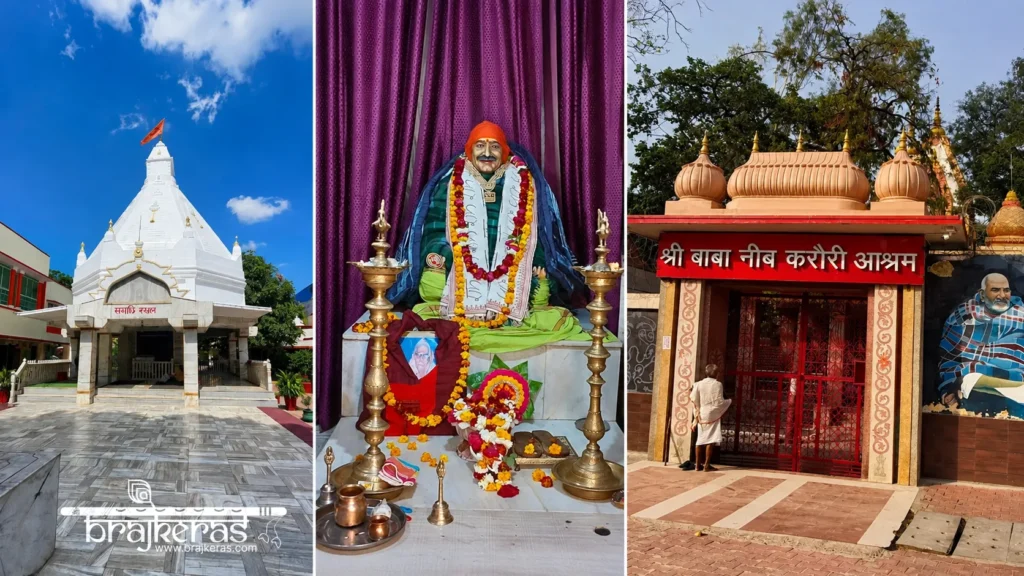
Just opposite Priya Kund, in the Peeli Pokhar area of Barsana, you’ll find Priya Kunj Ashram, associated with the revered Gaudiya Vaishnava saint Sri Sri 108 Vinod Bihari Das Baba Ji Maharaj, popularly known as Vinod Baba.
The ashram has become a recognised place of bhajan, kirtan and satsang in Barsana. According to the ashram’s own account, Vinod Baba has lived at Priya Kunj since 2006, dedicating his life to the bhakti of Shri Radha Rani. His earlier years included periods of renunciation, guru seva, and residence at several sacred places across Braj.
What makes Priya Kunj interesting is its atmosphere. This isn’t a grand temple built around elaborate architecture. The focus here is much simpler: naam-sankirtan, satsang, bhajan, and seva.
The ashram’s published material describes regular devotional singing, including the Hare Krishna Mahamantra and other Vaishnava kirtans. Visitors traditionally come for darshan and satsang, and the ashram has become closely associated with Vinod Baba’s devotional teachings and bhajans.
Vinod Baba is particularly known among devotees for his simple, renounced way of life and his devotion to Radha Rani. His affection for the monkeys of Barsana is another part of the local stories surrounding him. The ashram’s own biography describes Baba feeding monkeys and treating them with affection as fellow residents of Shri Dham Barsana.
The devotional atmosphere of Priya Kunj continues through festivals and special gatherings.
Priya Kunj also came into wider public attention in December 2025 when Premanand Maharaj visited Vinod Baba at the ashram. The meeting drew many devotees to the Peeli Pokhar area and received considerable attention online.
For visitors exploring Barsana, Priya Kunj Ashram fits naturally into a route covering Priya Kund, Pila Pokhar and the nearby sacred places. If you’re interested in the living devotional culture of Barsana rather than temples alone, this is a place worth knowing about.
Location: Priya Kunj Ashram, opposite Priya Kund, Peeli Pokhar, Barsana, Mathura, Uttar Pradesh 281405.
A small note for visitors: Priya Kunj is an active ashram and place of spiritual practice, not simply a tourist attraction. If you visit, keep the atmosphere peaceful, dress respectfully and follow the ashram’s directions regarding darshan, photography and satsang.
Prem Sarovar
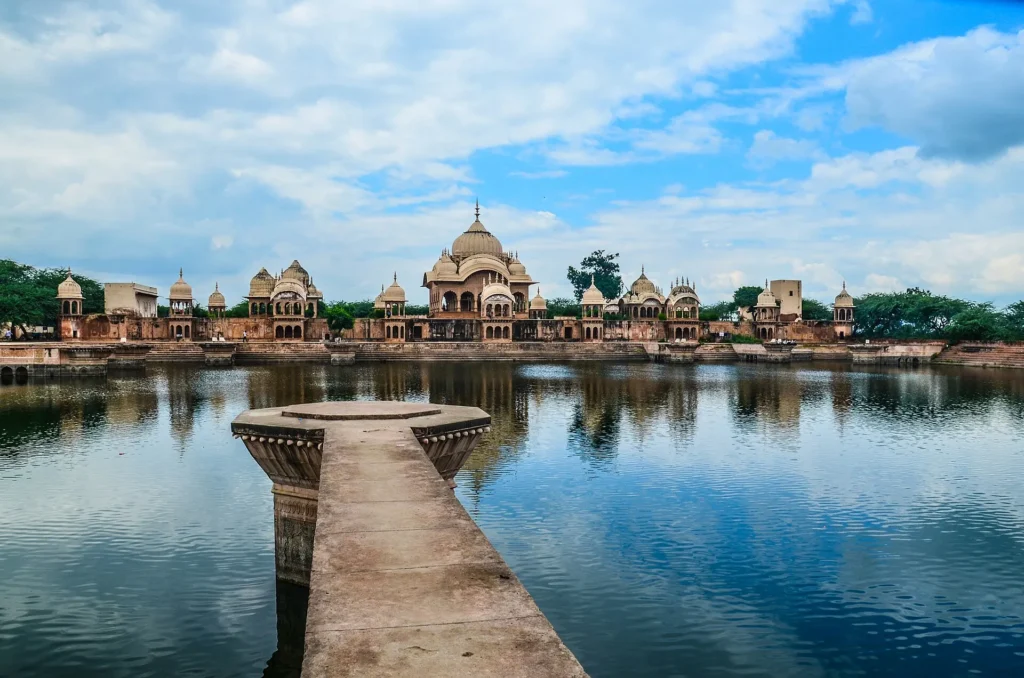
Prem Sarovar lies close to Barsana and is traditionally associated with Radha Krishna’s love.
A popular Braj tradition says the sarovar appeared from the tears of Radha and Krishna during an emotional episode. Devotees therefore regard its water as a symbol of divine love.
The pond is about 1 km north of Barsana and has a quiet setting away from the main temple crowds.
If you’re visiting Barsana for more than a few hours, this is the kind of place where slowing down makes sense.
Radha Bagh and the Sacred Groves
Several groves around Barsana are associated with Radha Krishna’s pastimes.
Radha Bagh is one such place. These groves help explain something that can be missed when you focus only on temples: Braj worship is closely tied to geography.
Trees, ponds, pathways and hills all become part of the devotional map.
That’s why a Barsana visit can feel more like reading a living story than visiting a collection of monuments.
Barsana’s History and Braj Culture
Barsana’s history has two layers.
The first belongs to religious tradition. Devotees connect the town with Radha Rani, King Vrishabhanu and Mother Kirti, placing its sacred story in the age of Krishna.
The second belongs to documented history. The temples and structures you see today were built, rebuilt and supported by rulers, saints and devotees over several centuries.
The present Radha Rani Temple, for example, is associated with the 17th century. Its historic architecture belongs to a much later period than the ancient stories connected with the site.
That distinction doesn’t weaken the tradition. It gives you a clearer picture of how sacred places develop.
A site can carry an ancient religious memory while its visible buildings date from a later period.
Braj Bhasha, Rasiya and the Sound of Barsana
You don’t really experience Barsana through architecture alone.
Listen.
During festivals and temple gatherings, you’ll hear devotional songs, kirtans, and Rasiya, a folk music tradition strongly associated with Braj.
Rasiya often uses Radha Krishna’s love and playful exchanges as its subject. It is especially prominent during Holi celebrations.
Braj Bhasha adds another layer.
The language is closely associated with the cultural identity of Braj, and traditional Holi songs in Barsana and Nandgaon are sung in Braj Bhasha. The Mathura district’s own description of Lathmar Holi notes the role of Braj-language Holi songs in the celebration.
You may hear “Radhe Radhe” again and again.
It’s a greeting, a devotional expression and, in many ways, part of the social rhythm of Braj.
A Living Culture, Not a Museum
This is where Barsana gets interesting.
You can study its history in books. You can photograph its temples. You can read stories about Radha and Krishna.
But local people still sing the songs.
They still celebrate the festivals.
They still walk the parikrama paths.
They still use the names of the sacred hills, groves and ponds.
That’s the difference between seeing a heritage site and experiencing a living pilgrimage town.
A recent study of Barsana’s cultural landscape describes the close relationship between sacred geography, pilgrimage and environmental values in Braj.
Barsana Festivals You Should Know
Barsana’s festival calendar is packed, but two celebrations stand above the rest: Lathmar Holi and Radhashtami.
Lathmar Holi
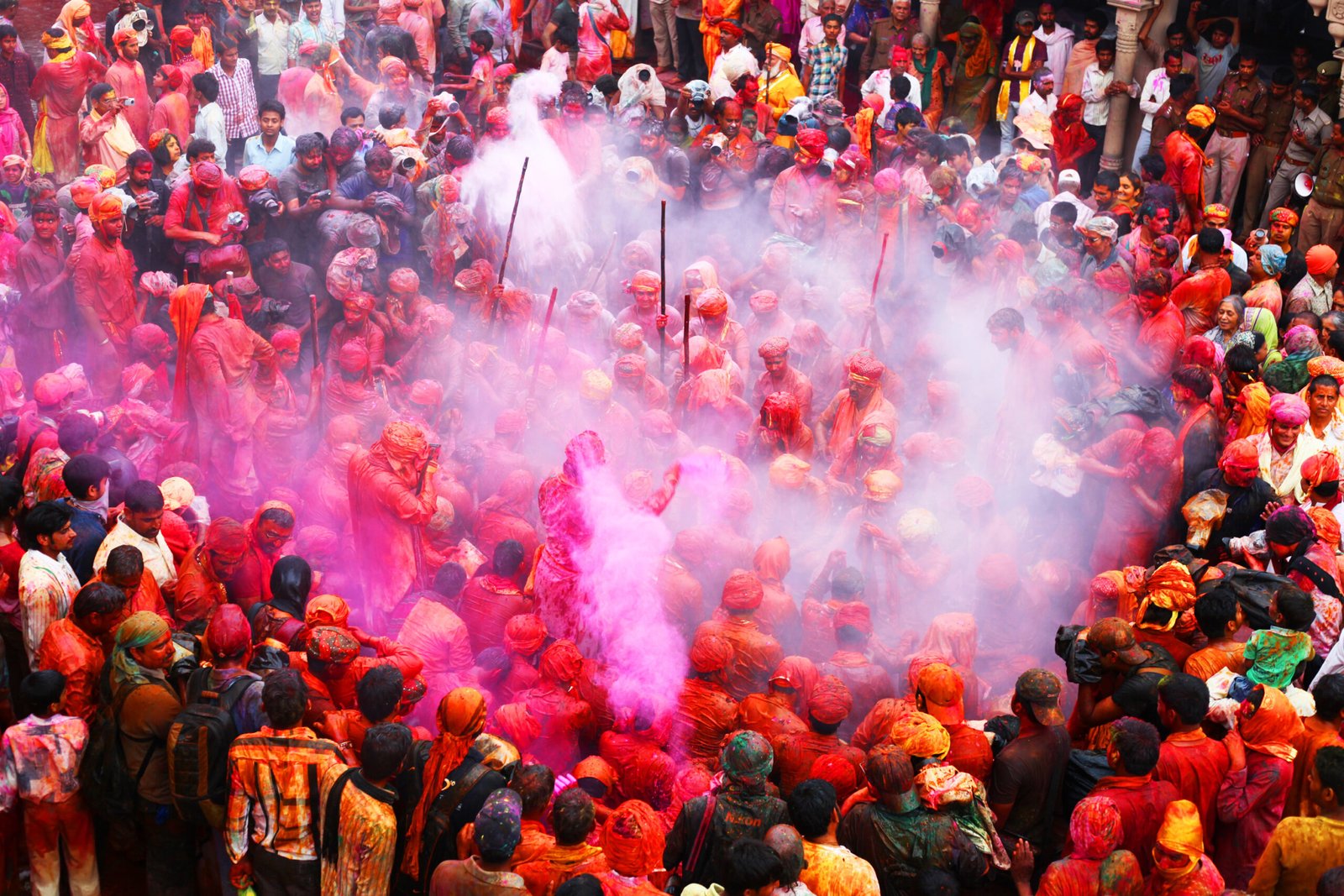
This is the festival that made Barsana famous far beyond Braj.
The traditional story says Krishna and the men of Nandgaon would visit Barsana during Holi and tease Radha and her companions. The women would chase them away with sticks.
The modern celebration recreates this playful exchange.
Men from Nandgaon arrive in Barsana with shields. Women from Barsana carry sticks. There are colours, songs, drums and crowds.
It looks dramatic, but the sticks are part of a ritual performance rather than a real fight.
A festival organizing committee president, Sanjay Goswami, explained the symbolism in a 2008 interview: “These sticks are an expression of the romantic anger of Radha and her friends.” He described the beating as an expression of love rather than an attempt to injure anyone.
The festival also shows how local participation matters.
In 2016, Mathura’s tourism officer Anupam Srivastava explained that the administration had considered combining Barsana’s Lathmar Holi with Vrindavan’s Phoolon Ki Holi, but the plan was later dropped after concerns from residents.
That episode says something important about Barsana’s culture. The festival belongs first to the local community.
In 2026, Lathmar Holi again drew major attention. India Today reported the traditional sequence of Laddu Holi, Lathmar Holi in Barsana, and the following celebration in Nandgaon.
Radhashtami
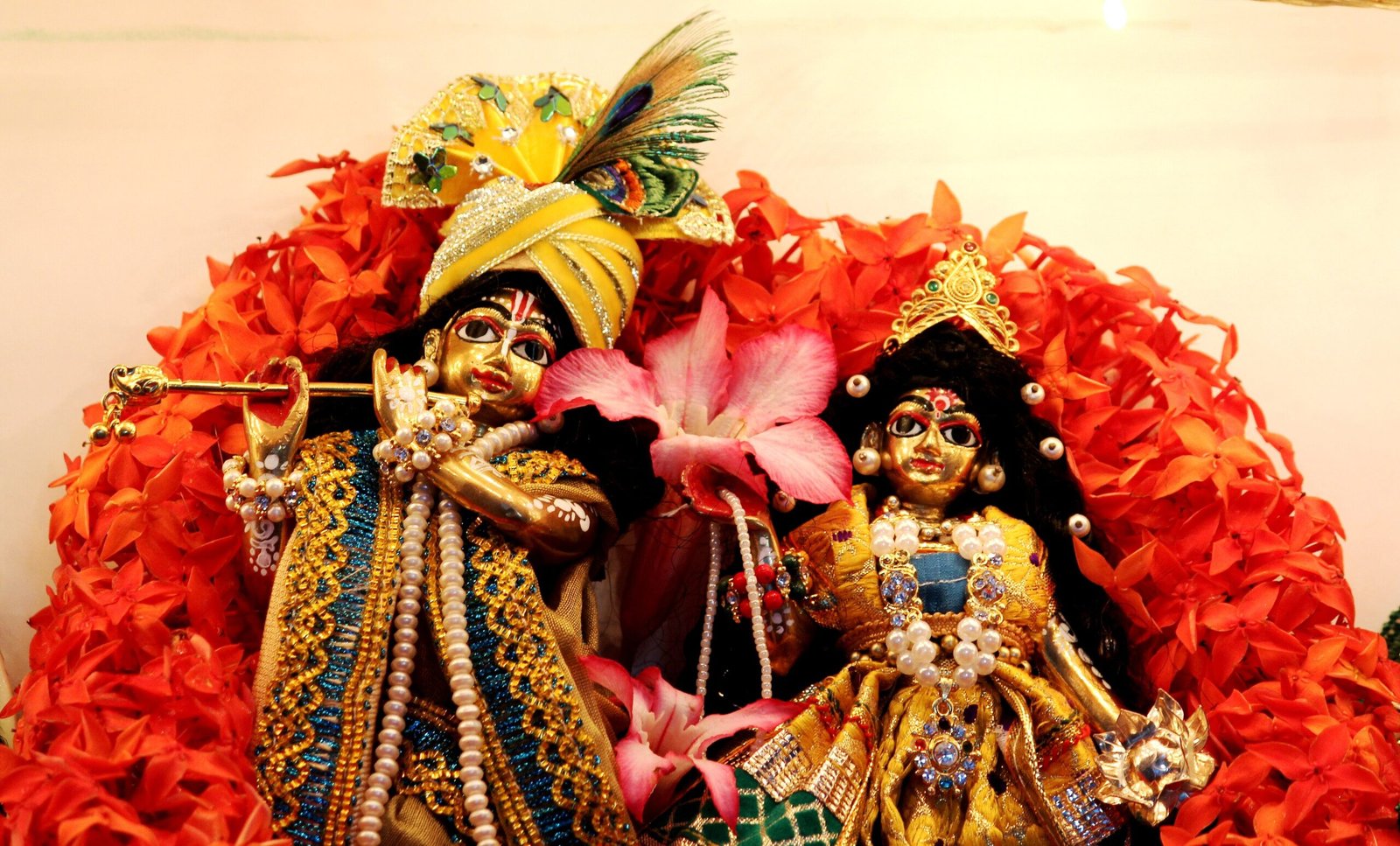
If Lathmar Holi is Barsana’s most famous festival, Radhashtami is its most deeply personal celebration.
Radhashtami marks the appearance day of Radha Rani. It is celebrated across Braj, but Barsana holds special significance because of its traditional association with Radha’s birthplace.
In 2025, reports said that lakhs of devotees gathered in Barsana for the celebration.
Radhashtami 2026 falls on Saturday, 19 September 2026.
The festival includes special worship, abhishek, kirtan, and temple celebrations.
If you plan to visit on Radhashtami, expect very large crowds. In 2025, the local administration prepared for more than one million devotees.
Other Festivals in Barsana
Several other celebrations add to Barsana’s yearly religious calendar:
- Krishna Janmashtami
- Basant Panchami
- Jhulan Yatra
- Sharad Purnima
- Kartik Purnima
- Holi-related Braj celebrations
- Diwali and Govardhan Puja
The exact dates change each year according to the Hindu lunar calendar, so check the current temple or district administration schedule before making festival travel plans.
How to Plan Your Barsana Visit
A little planning will make your visit much easier.
Best Time to Visit Barsana
For comfortable sightseeing, the cooler months are usually easier.
October to February offers pleasant conditions for walking around the hills and sacred sites. Holi season is ideal if your main goal is to experience Lathmar Holi, but crowds can become very large.
Radhashtami is another major pilgrimage period.
If you prefer a quieter visit, avoid the biggest festival days and come early in the morning.
How to Reach Barsana
The Government of Uttar Pradesh’s Mathura district website lists Mathura as the main rail connection and gives Mathura Junction and Mathura Cantt. as nearby railway stations. It lists Kheria Airport in Agra and Indira Gandhi International Airport in Delhi as the main airport options.
From Mathura or Vrindavan, you can travel by road using a taxi, bus, or other local transport.
Barsana is also close to Nandgaon, so many visitors combine both towns in one day.
A good route is:
Mathura → Govardhan → Barsana → Nandgaon
If you’re starting from Vrindavan, you can visit:
Vrindavan → Govardhan → Barsana → Nandgaon
That gives you a broader view of Braj rather than treating each town as a separate stop.
A Simple One-Day Barsana Plan
Morning
Start with Shri Radha Rani Temple. Go early if possible.
Late morning
Visit Maan Mandir and explore the nearby lanes.
Afternoon
Visit Kirti Mandir and Rangeeli Mahal.
Late afternoon
Head towards Gahvar Van, Sankari Khor and other nearby sacred places.
Evening
Visit Prem Sarovar or return to the main temple area for evening darshan.
Don’t rush.
Barsana’s charm comes from the spaces between the major attractions too.
A Note About Festival Crowds
The growth in pilgrimage traffic has created real pressure on Barsana and other Braj towns.
ThePrint reported that local authorities estimated around 60,000 to 80,000 visitors in Barsana on ordinary weekends, with numbers rising into the lakhs during major occasions such as Holi and Janmashtami.
During the 2026 Purushottam Maas period, police reported a particularly large movement of pilgrims through rural Mathura, with Barsana among the major destinations.
So, if you’re visiting during a major festival, arrive early, carry only what you need, and follow local crowd-control instructions.
A pilgrimage should leave you with memories, not exhaustion.
Frequently Asked Questions About Barsana
1. What is Barsana famous for?
Barsana is famous for Shri Radha Rani Temple, its association with Radha Rani, Lathmar Holi, Radhashtami, Maan Mandir, Gahvar Van, and other sacred places connected with Braj traditions.
2. Is Barsana the birthplace of Radha Rani?
Barsana is traditionally revered as Radha Rani’s birthplace and home. Some traditions also associate Radha’s appearance with nearby Rawal. For devotees, Barsana remains one of the most important places connected with Radha Rani.
3. Which temple is most famous in Barsana?
Shri Radha Rani Temple, also called Ladli Ji Temple or Shriji Temple, is the most famous temple in Barsana. It stands on Bhanugarh Hill and attracts pilgrims throughout the year.
4. When is Lathmar Holi celebrated in Barsana?
Lathmar Holi takes place during the Holi season, usually in February or March. The exact date changes each year according to the Hindu calendar. The celebration traditionally begins in Barsana and continues in Nandgaon the following day.
5. When is Radhashtami in 2026?
Radhashtami falls on Saturday, 19 September 2026. Barsana hosts major celebrations for the festival, and very large crowds are expected.
6. How many days are enough for Barsana?
One day is enough for the main temples and several sacred places. Two days are better if you want to explore the hills, groves and nearby Nandgaon without rushing.
Final Thoughts
Barsana isn’t a place you understand from a checklist.
You can visit Shri Radha Rani Temple, take photographs, walk through Rangili Gali and leave. But if you give the town a little more time, another side appears.
You hear Braj Bhasha in the lanes.
You hear Rasiya during festival season.
You see people walking towards a temple with flowers in their hands.
You notice the hills before you notice the buildings.
And slowly, the pieces connect.
The temples tell one part of the story. The kunds tell another. The groves, songs, festivals and old lanes add the rest.
That’s what makes Barsana special.
It isn’t only a place where people remember Radha Rani.
For countless devotees, Barsana is a place where that remembrance is still part of everyday life.
Radhe Radhe.